What drives social anthropologists?

American anthropologist Ruth Benedict is often quoted as saying the purpose of anthropology is “making the world safe for human differences.”
“We’re all curious about the ways other people live their lives,” one social anthropology student in this video says.
We asked a bunch of our undergraduate social anthropology students at the University of Otago what they would take with them as core lessons from social anthropology, and overwhelmingly they responded with three things. These were: empathy, open-mindedness, and appreciation of difference. These are pretty powerful forces in the world. As one student summed it up:
“It allows for compassion and rich experiences of difference that are truly useful to everyday attempts to be better as a person. Not every discipline is as compelling or helpful with being part of a social world.”
In the graduate stories presented on the ASAA/NZ website, you can read a variety of postgrad students talking more about what drew them to social anthropology, and how the field fits with their wider goals and interests.
What anthropologists bring to the world
Anthropology provides a whole set of tools for thinking about the diversity of ways of living, in a rapidly changing world (as this professor discusses).
This includes revealing trends of social inequality, discrimination, and ‘othering’, that are historical, and ongoing. As urban anthropologist Professor Diego Vigil describes in this 4 min video, anthropologists are well-equipped to help address real social issues.
Where can social anthropology take you?
A degree in social anthropology can take you many places!
It’s a discipline which encourages you to pursue your own interest areas because (as we highlight in our Practicing section) it gives you a transferable skill-set: from critical thinking, to interviewing, to writing techniques.
This means anthropologists are found not only in Universities and other research organisations, but in non-profit and community organisations, in government ministries, and in business and industry too.
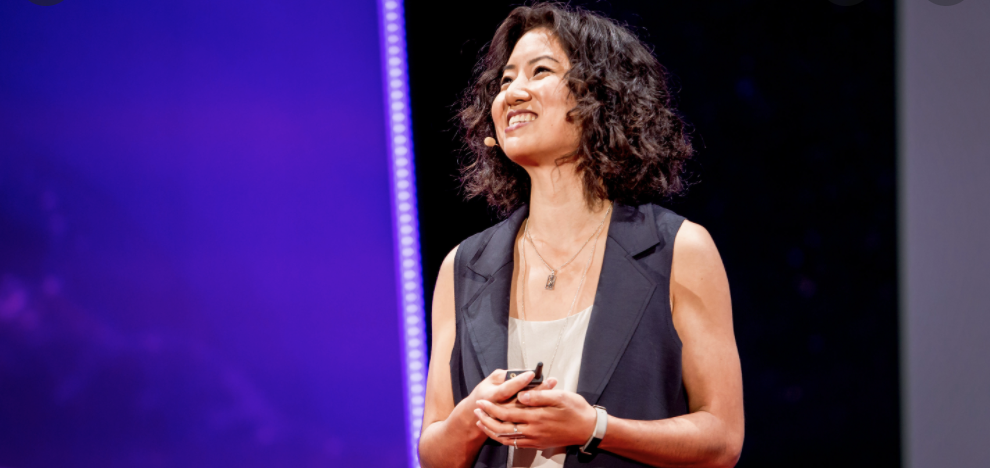
Tricia Wang, for instance, is a “global-tech ethnographer”, helping turn ‘business questions’ into ‘human’ ones. She talks about what she does in this 3.5 min video.
Examples of research and careers
Social/cultural anthropologists are interested in whatever it is that humans do, so it equips you to study social issues and ares of life relevant to people’s everyday lives – whether it’s researching the social importance of Facebook (like anthropologist Daniel Miller does in this 5 min video) or studying what it’s like to live with Haemophilia in NZ (which is just one of the research projects Professor Julie Park describes in this 3.5min video).
Lots of anthropologists are also at the forefront of innovative research in technology and the digital. Here, Professor Genevieve Bell is asked about the future of AI, and this video features Amber Case, a Cyborg Anthropologist, describing her area of expertise.
If you feel like seeing more about the many places anthropologists end up, the careers page from the American Anthropologist Association is a great place to start. For a more local flavour, check out the following links:
- This careers page from Otago University features Moragh Loose, talking about how her Masters degree in social anthropology led to her working as a Policy Development Manager for the UK General Dental Council in London.
- This page from Auckland University features Dr. Julie Spray discussing her award-winning doctoral thesis, The Practices of Childhood: Coproducing Health in Aotearoa New Zealand.
- This blog post provides a list of links to topical public writing by social anthropologists at Victoria University of Wellington, as featured in places like The Spinoff and The Wireless.
 AnthNav